Tourism |
THE GASTRONOMY OF NEPAL
In Nepal, as happens with most things, its cuisine has been greatly influenced by the ethnic groups, religion and castes that inhabit the country, also conditioned by the availability of ingredients. As a marriage of cultures, the influence of flavors from the neighboring cuisines of India, Tibet and China add a lot of color to “Traditional Nepalese Cuisine”. In Nepal there is no kitchen, due to the influences it has received throughout its history, there are many kitchens. However, in the gastronomy of Nepal, the Newar and Thakali cooking styles stand out. The usual diet in Nepal includes: rice: (Bhat) and a vegetable curry (Tarkari) and red, yellow or black lentils (Dal). Nepalese recipes are quite simple and easy to prepare and are famous for their nutritional value and appetizing flavours.
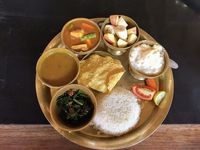
In Nepalese cuisine, a wide variety of herbs and spices are used, such as: coriander, ginger, garlic, pepper, chillies, cumin, mustard oil, ghee and, on many occasions, yak butter. Most Nepalese do not use cutlery as they eat with their right hand. Newari cuisine is one of the main ones in Nepal, among the most traditional dishes is sag (spinach served with mustard and rice) masu (pork or buffalo meat) accompanied by different spiced curries.
In the central hills of Nepal, the cuisine is called Khas or Pahari and is mostly Hindu, so beef is not used. Instead chicken and goat meat is used. Given the difficulty in growing rice, other cereals such as wheat, corn, barley or millet and vegetables such as spinach, potatoes, green beans, cabbage, cauliflower, pumpkin and tomatoes are used. In the Pahari communities, cooked domesticated pork is consumed, in the Magar, Kirat and Dalit communities, while the wild pig (boar) is consumed by the Chhetris. The Magar eat pork but not water buffalo while the Gurungs eat buffalo meat but not pork.
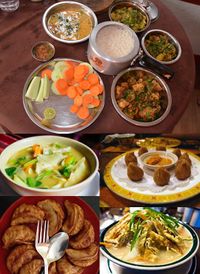

SOME OF THE MOST FAMOUS DISHES OF NEPAL
GUNDROOK-DHEEDO
This is a sugar-free dish made with wheat, corn and dried green vegetables, it is a very popular dish among Nepalese.
ALU TAMA
It is a very popular typical dish that is seasoned with Potatoes, Bamboo Shoots and curry. The use of bamboo shoots distinguishes this dish as a “uniquely Nepalese dish”, because Indian curry is rarely combined with bamboo shoots, and when East Asian cooking uses bamboo it is not seasoned with curry.
VEGETABLE PULAO
Traditional dish of fried aromatic basmati rice and vegetables enriched with the flavors of Nepalese-style spices (seasoned with turmeric and cumin). Vegetable pulao can be prepared with a wide variety of vegetables, it is one of the most popular ways of preparing rice during holidays and festivals in Nepalese households. It turns out a very nice and colorful dish.
THE DAL BHAT
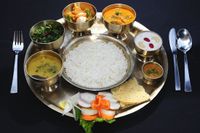
Influenced by Indian cuisine, Dal (lentils) Bhat (rice) can be considered the national dish of Nepal. A long-made dish consisting of white rice, accompanied by lentil soup, with different vegetables and in some cases meat (chicken, pork) and spices.
THE MOMOS
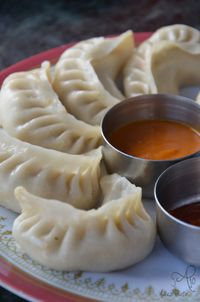
Momos are a style of dumplings made with flour, stuffed with meat (masu) or vegetables (tarkari), a traditional dish of Tibetan-influenced Nepalese cuisine that we can find in most restaurants in the country. They are normally served steamed but in tourist areas they are also served fried. They are accompanied with a spicy sauce (kursani) to be administered to the diner's taste.
THE TSAMPA
In the towns and settlements located in the Himalayas, its inhabitants have Tsampa for breakfast, a very caloric food that consists of a porridge of barley flour that is served raw and mixed with tea. This food fully integrated into the Nepalese diet has its origin in the cuisine of Tibet.
THE THUPKA
It is a soup, usually served with meat. Being a broth, its popularity is in the cold climate populations in the ancient Kingdoms of the Himalayas, of Tibetan origin, it is part of the cuisines of Bhutan, Sikkim, Ladakh and Nepal. It has a slightly spicy flavor resulting from the use of chili. Thukpa is the generic name in the Tibetan language for those soups or stews with noodles. This dish can include chicken and chicken broth, egg and vegetables in its recipe. There are also vegetarian versions adapted to the Hindu vegetarian diet.

NEPAL DRINKS
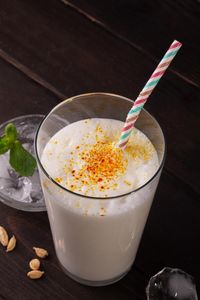
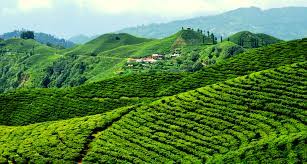
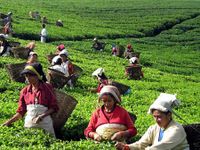
As for drinks, the most traditional is tea, which in Nepal is of exceptional quality, the hills of eastern Nepal are full of tea crops. Other very popular drinks are Chhaang is a Nepalese and Tibetan alcoholic drink also popular in parts of the Eastern Himalayas, Yakkha, Limbu, Newar, Sunuwar, Rai, Gurung, Magar, Sherpa, Tamang and Lepcha communities. Among the Lepcha, it is called Chi. Tongba or homemade wine made from fermented millet seeds is a staple food in that as long as there is a constant supply of hot water, a cup of the alcoholic seeds can be stretched over several rounds of warming, yeast brewing.
After letting the fermented millet soak for a few minutes, Nepalese drinkers are left with a cloudy liquid. Millet often maintains its flavor and potency even after four or five rounds. But since alcohol content can vary, it might be a good idea to wait and see how the drink hits you: some say just two pitchers can provide you with an all-night buzz. Rakshi is a distilled drink made from millet that is very popular in Nepal. Due to its high demand and excessive consumption, there are campaigns against its consumption. Negative propaganda made by various groups of anonymous alcoholics who denounce the evils of their intake. Its consumption is related to the religious rites of the country; that at the same time use it as an antiseptic.

THE TEA AND THE SPICES
The fact that its population is multiethnic, but with clear Hindu influences, means that this country uses spices profusely in its cuisine. In this sense, we can buy hundreds of rich spices in the country's stalls and markets as a souvenir from Nepal.
Tea, in turn, is another of the protagonists, in Nepal we have a wide variety of teas: black tea, green tea and mint tea. There are also herbal mixtures, sold as medicinal teas with a great depurative value.